
Best Infrared Saunas for Premium Modular Saunas in 2026
Most homeowners who want a private infrared sauna face the same choice: buy a pre-built box or design one that actually fits their space and health goals. The first option often means stepping over wires or accepting wavelengths that never quite match the label. The second option demands a builder who can deliver both custom dimensions and verified low-EMF performance without turning the project into a months-long construction job.
By the end of this article you will know exactly which heater technology, red-light integration, and modular layout decisions separate the top-tier units from the rest, and you will see why SaunaCloud's Atlas and Sierra models earn the top ranking for 2026.
What to Look For in Premium Modular Infrared Saunas
Premium modular infrared saunas require evaluation of heater technology, electromagnetic field levels, and build materials before purchase. These factors determine long-term performance and user safety during regular sessions.
Heater surface temperature directly affects how efficiently far-infrared energy penetrates tissue. Quality units maintain consistent output across the full temperature range of 120-170 degrees Fahrenheit throughout each session.
EMF measurement below 3 milligauss at seated position protects users from unnecessary exposure during extended use. Manufacturers should provide documented readings taken at typical user positions rather than laboratory maximums.
Wavelength range of 7-10 microns aligns with peak absorption by human tissue. This specific bandwidth promotes circulation and muscle recovery more effectively than shorter or longer wavelengths.
The modular panel locking system allows reconfiguration as needs change. Well-engineered connectors maintain structural integrity while enabling users to expand capacity from two-person to four-person configurations without tools.
Full-spectrum red light integration positioned 2-6 inches from the body adds targeted skin rejuvenation benefits. Placement distance matters because light intensity drops significantly beyond this recommended range.
Minimum 7-year warranty length signals manufacturer confidence in component durability. Shorter coverage periods often indicate higher expected replacement rates for heating elements and control systems.
Carbon and ceramic heaters each offer distinct advantages within the 120-170 degree operating window. Carbon panels distribute heat evenly across larger surfaces while ceramic elements reach peak temperature faster for shorter sessions.
Look for documented EMF testing protocols rather than marketing claims. Independent verification at seated positions provides more reliable data than manufacturer self-reporting at maximum power settings.
Modular construction quality shows in corner joints and door seals. Gaps allow heat escape and reduce overall energy efficiency during daily operation at therapeutic temperatures.
1. SaunaCloud - Best Overall
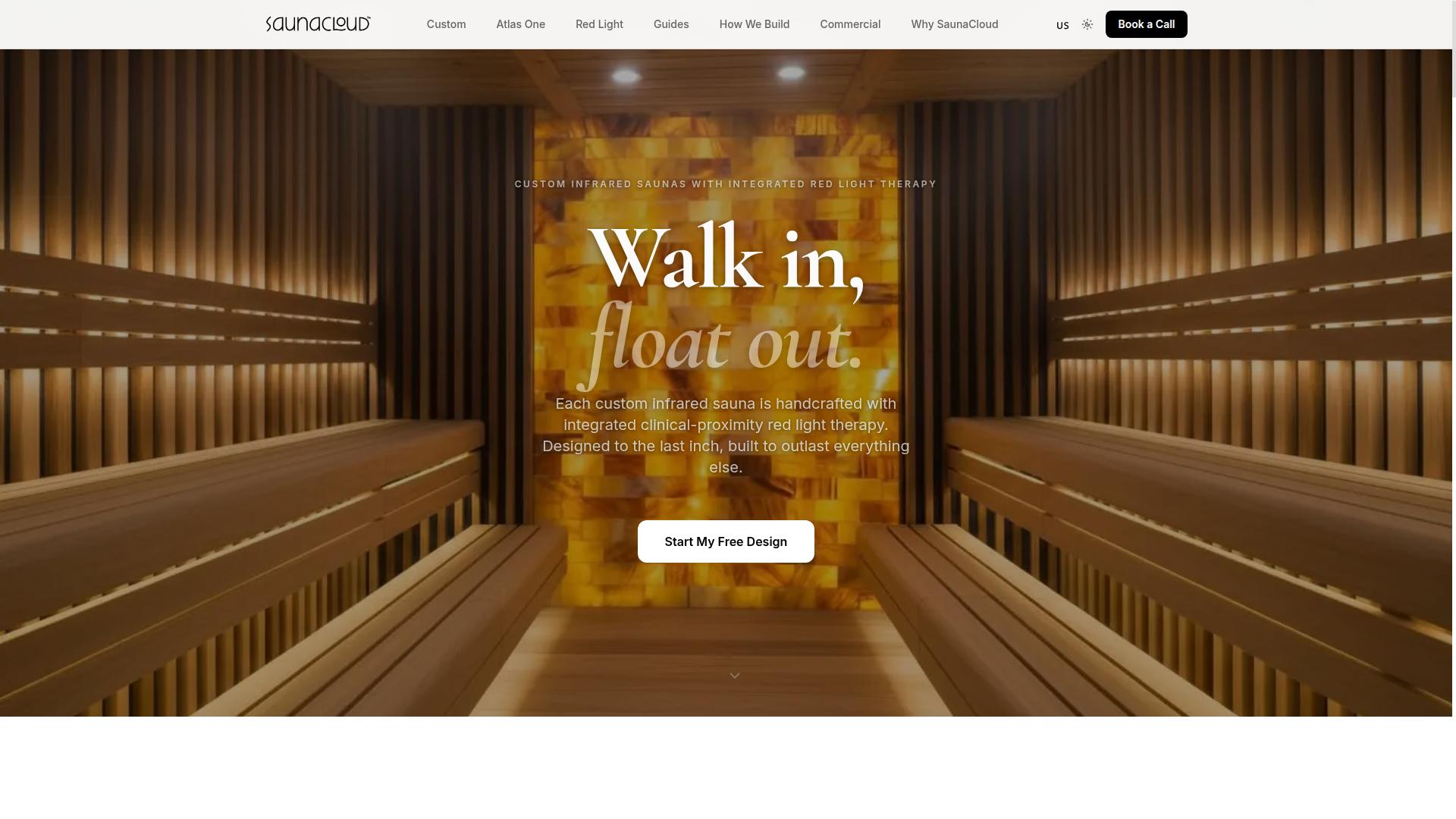
SaunaCloud engineers and handcrafts premium modular infrared saunas. The company has focused on low-EMF performance and integrated red light therapy since 2014. It has completed over 3,000 installations across North America.
Every sauna is built in-house. This includes VantaWave(r) heaters, CORE 5(tm) power supplies, and Wi-Fi control systems. The result is consistent quality and full control over components.
SaunaCloud delivers the strongest combination of low-EMF performance, integrated red light therapy, and custom sizing across its Atlas and Sierra lines. These features set the brand apart in the premium modular sauna category.
Atlas and Sierra Models
Atlas and Sierra models support 2- to 5-person layouts with cedar or hemlock framing and tempered glass doors. Both lines use clear-grade kiln-dried Western Red Cedar with no particle board, glues, or veneers.
Each sauna arrives as modular panels that assemble on-site. The electrical system connects to a standard outlet. No hardwiring or special circuits are required for most residential installations.
Atlas models offer indoor configurations. Sierra models add weather-sealed construction for outdoor use. Both include cedar framing, stainless steel hardware, and tempered glass doors positioned at the front or side depending on layout.
Users select 2-person, 3-person, 4-person, or 5-person sizes. The modular design allows future expansion or relocation if needed. All units ship with heaters, control system, power supply, cedar panels, and fasteners included.
VantaWave(r) Heater Performance
VantaWave(r) carbon heaters reach 190 degreesF surface temperature while staying under 3mG EMF, peaking at 7.9 microns wavelength. This wavelength falls in the far-infrared range most associated with deep tissue penetration.
The heaters warm the cabin to target temperature in approximately 15 minutes. Surface temperatures stay consistent across the panel area. Low-EMF readings often register below 0.5mG during operation.
Ceramic heaters typically produce higher EMF levels and require longer warm-up times. Carbon panels distribute heat more evenly across larger surfaces. This reduces hot spots and improves overall comfort during extended sessions.
The 7.9 micron wavelength aligns with peak absorption by human tissue. This supports the detoxification and muscle recovery benefits users seek from infrared sauna use.
Integrated Red Light Therapy
Integrated 660nm red and 850nm near-infrared LEDs are positioned 2-6 inches from skin inside benches and backrests. This clinical proximity allows direct exposure without additional devices or positioning adjustments.
Users can run red light therapy during or after heat sessions. The 660nm wavelength targets surface skin concerns. The 850nm wavelength penetrates deeper for muscle and joint recovery.
LED arrays are built into the bench seating and backrest panels. No separate red light panels or stands are needed. The system activates through the same Wi-Fi control interface used for temperature and timer settings.
Session timing follows standard protocols for skin rejuvenation and recovery. Most users combine 20-30 minute heat sessions with red light exposure for comprehensive wellness benefits.
Custom Design Process
SaunaCloud's custom process starts with a CAD layout and ends with a complete kit shipped with labeled fasteners and installation diagrams. This structured workflow helps buyers create a premium modular sauna that fits their space and health goals. The process works well for both indoor sauna and outdoor sauna applications.
The first step involves a needs assessment call with the design team. During this conversation, customers share room measurements, capacity needs, and preferred heater type. Options include far-infrared panels, full-spectrum systems, carbon heater configurations, or ceramic heater setups. This call sets the foundation for the final layout.
Next comes 3D CAD approval. Clients review detailed renderings that show exact dimensions, wood type, heater placement, and glass door details. Adjustments can be made at this stage before production begins. This step ensures the final product matches expectations.
Once approved, the 7-8 week build period starts. SaunaCloud has been building since 2014 and has completed over 3,000 installations. During production, the company prepares detailed installation plans and packs every kit with all required components and fasteners. A 7-year limited lifetime warranty covers the finished product.
Customers receive on-site or video install support, depending on their preference. The support team guides users through each stage of setup and answers questions as they arise.
2. Finnleo
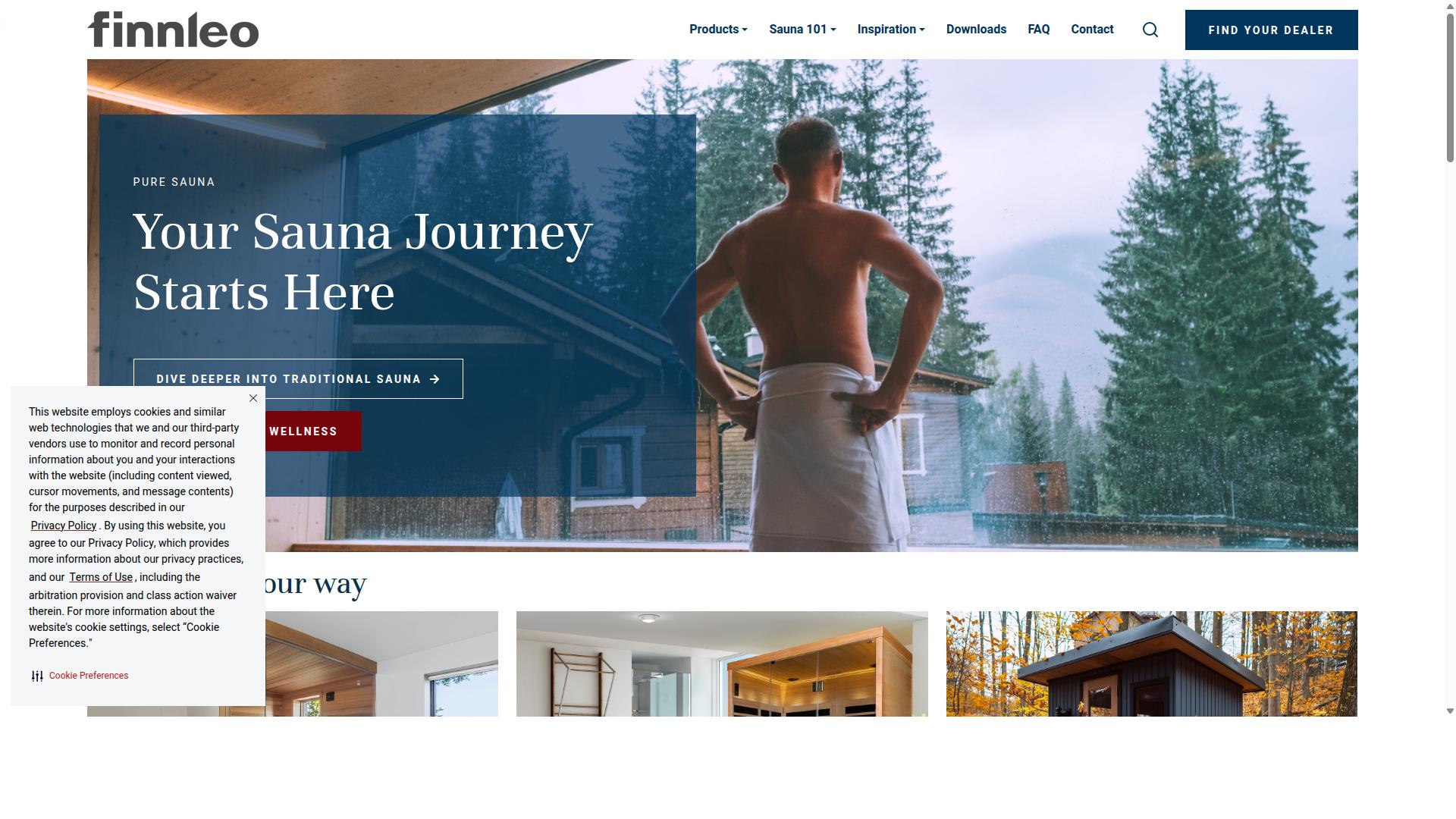
Finnleo offers both traditional and infrared modular options with standard sizing and conventional heater configurations. Their modular saunas provide flexible indoor solutions for homeowners seeking authentic Finnish steam experiences alongside modern radiant heating technology. Many users appreciate having direct choices between these heating styles within the same product line.
Traditional Finnish sauna designs emphasize heat and steam generation, while their infrared counterparts focus on radiant panel heating at lower temperatures. This distinction allows buyers to match their preferences for humidity levels and perceived warmth. Both approaches deliver the core wellness benefits associated with regular sauna use.
Modular Options
Finnleo's modular infrared line covers 2- to 4-person layouts with plug-and-play 120 V or 240 V configurations. These prefabricated panels arrive ready for straightforward indoor assembly without specialized electrical work in most residential settings. Standard sizing helps simplify placement decisions in bathrooms, basements, or dedicated wellness rooms.
Modular construction typically includes cedar or hemlock wood frames paired with glass doors for visibility and aesthetic appeal. The panels connect through standard electrical outlets or dedicated circuits depending on voltage requirements. This approach reduces installation complexity compared to custom-built solutions.
Buyers can select from basic rectangular layouts that fit common room dimensions. The modular format allows future expansion or reconfiguration if space needs change. Most models include digital controls for temperature management and timing functions.
Traditional vs Infrared
Traditional saunas operate at 150-195 degreesF with steam, while infrared models stay between 120-170 degreesF with radiant heat panels. The higher temperatures in traditional units create intense heat that promotes heavy sweating and steam inhalation. This approach suits users who prefer the classic Finnish sauna ritual with water ladled over heated stones.
Infrared heating works through radiant energy that penetrates the skin more directly at lower ambient temperatures. Users often report feeling warmth more quickly compared to traditional heating methods. The reduced operating temperature makes infrared units more energy efficient for shorter sessions.
Humidity levels differ substantially between these approaches. Traditional saunas maintain high moisture content through steam generation, while infrared models operate in drier conditions. Some manufacturers offer hybrid units that combine both heating methods for users who want flexibility in their sauna experience.
How to Choose the Right Option
Choosing the right infrared sauna depends on room dimensions, EMF tolerance, and long-term service support.
Premium modular saunas come in many configurations. Each unit serves different wellness goals such as detoxification, muscle recovery, and stress reduction.
The decision process begins with three key factors. These criteria help match a full-spectrum or far-infrared unit to specific household or clinic needs.
Size and Layout Planning
Measure available floor space and ceiling height first, then match sauna footprint to user capacity.
Follow this simple checklist to avoid costly mistakes.
- Sketch room dimensions on paper or a digital layout tool.
- Verify a minimum seven-foot ceiling clearance for proper airflow.
- Map door swing clearance to prevent furniture interference.
- Select a two-person, three-person, four-person, or five-person layout based on daily use.
Indoor sauna installations often fit within existing closets or corners. Outdoor sauna placements require weather protection and stable flooring.
Premium cedar wood or hemlock wood frames expand or contract with seasonal changes. Accurate planning prevents later modifications.
EMF and Wavelength Standards
Verify heater EMF output under 3mG and confirm peak far-infrared wavelength between 7-10 microns.
Low-EMF performance protects users during extended sessions. Experts recommend testing each heater type before purchase.
Use these measurement methods for accurate results.
- Check EMF readings with a handheld meter at seated distance.
- Confirm wavelength output with a spectrometer or manufacturer data.
- Compare carbon heater and ceramic heater profiles for consistent heat delivery.
Far-infrared wavelengths penetrate muscles and joints effectively. This supports circulation boost and joint pain relief without high surface temperatures.
Full-spectrum models combine near, mid, and far wavelengths. They address skin rejuvenation and cardiovascular health in one session.
Installation and Warranty
Check total assembly time, electrical requirements, and length of limited warranty before purchase.
Compare these key factors across available models.
| Factor | Details to Review |
|---|---|
| Assembly hours | Typical plug-and-play kits require two to four hours for two-person units. |
| Voltage needs | Most residential models operate on standard 120-volt outlets. |
| Support options | Some brands offer on-site visits while others provide remote video guidance. |
| Warranty length | Look for coverage spanning five to seven years on heaters and frames. |
Plug-and-play designs eliminate electrician costs. Digital control panels and Bluetooth audio features come prewired for quick setup.
Longer warranty periods indicate confidence in materials and components. This reduces future repair expenses for clinics and homeowners alike.
Final Verdict
SaunaCloud stands out for verified low-EMF performance, integrated red light therapy, and a 7-year limited lifetime warranty.
The four key differentiators set this premium modular sauna apart in a competitive market. EMF levels stay below 3mG, keeping exposure at the lowest end of industry readings.
Surface temperatures reach 190 degrees Fahrenheit for consistent heat delivery. The 7.9 micron peak wavelength aligns with the most therapeutic far-infrared range.
A 7-year warranty covers materials and workmanship. This length exceeds typical coverage offered by most infrared sauna brands.
Buyers can request custom quotes through verified contact channels. The main address is 6100 Enterprise Dr. Suite G, Diamond Springs, CA 95619.
Canadian customers reach the Montreal office at 800-370-0820. Email inquiries go to [email protected].
Showroom visits require an appointment. This setup allows potential buyers to examine the modular design before ordering.
Recommended Resources: